Alstom | Industrialisation & Local Value Creation Award
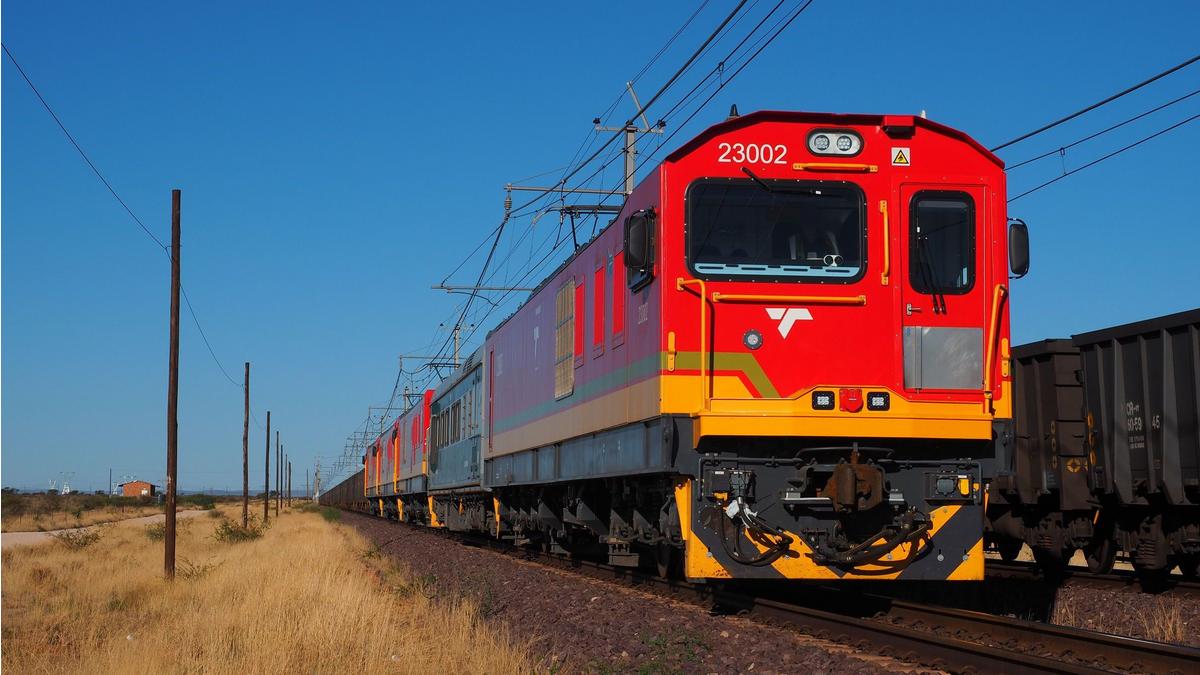
Alstom’s South African operations combine local manufacturing, supplier development and international rail technology to strengthen domestic industrial capacity.
Winner of the Industrialisation & Local Value Creation Award at the 2026 Team France Business Excellence Awards, Alstom is investing in local manufacturing, supplier development and technical skills to strengthen South Africa’s rail industry.
Industrial development depends on more than the delivery of infrastructure. It also requires investment in productive capacity, the development of local suppliers and the transfer of skills and technology that enable industries to grow over time. In South Africa’s rail sector, Alstom is contributing to this process by establishing and expanding local manufacturing operations and building capabilities across the rail value chain.
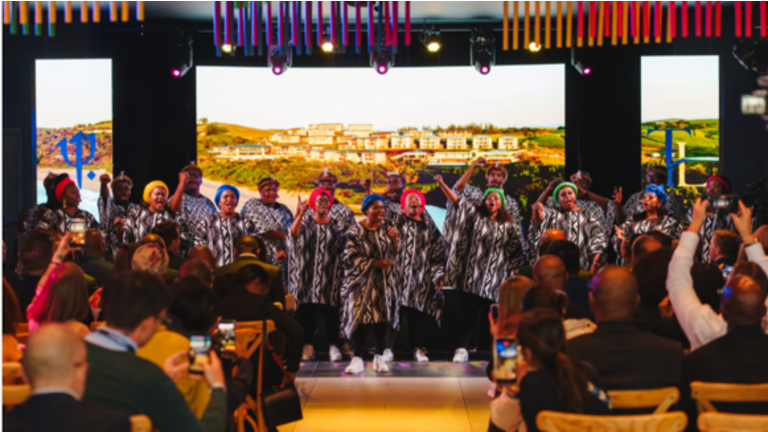
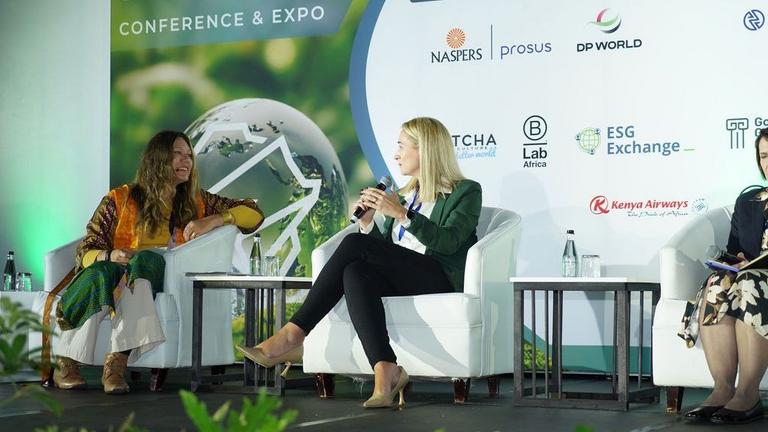
These efforts earned Alstom the Industrialisation & Local Value Creation Award at the 2026 Team France Business Excellence Awards. The award recognises companies that contribute to South Africa’s industrial development through manufacturing, local procurement, employment, technology transfer and sustainable value chains.
ALSTOM’S CONTRIBUTION TO INDUSTRIALISATION AND LOCAL VALUE CREATION IN SOUTH AFRICA AT A GLANCE:
R3+ billion invested in South African industrial operations
R5.56 billion spent with 678 suppliers in FY2024/25
350 of 600 X’Trapolis Mega trainsets produced by August 2026
65% minimum local content for the commuter-train programme
250 locally produced Traxx 23E electric locomotives delivered
60%+ local content in each Traxx 23E locomotive
2,395 direct full-time jobs in FY2024/25
6,981 indirect and induced employment opportunities
99% local hires
From rail projects to local industrial capacity
Alstom’s involvement in South Africa extends across commuter-train manufacturing, freight locomotives, rail components, signalling and maintenance services. Through operations including Gibela Rail Transport Consortium, Alstom Ubunye, Alstom Rolling Stock South Africa and its Gautrain maintenance activities, the company has developed a manufacturing and service footprint that supports different stages of the rail industry.
According to its award submission, Alstom has invested more than R3 billion in its South African industrial operations. These include Gibela, a purpose-built train manufacturing factory in Dunnottar, as well as investment in Alstom Ubunye and the industrialisation of Alstom Rolling Stock South Africa.
The scale of this investment is reflected in two major manufacturing programmes.
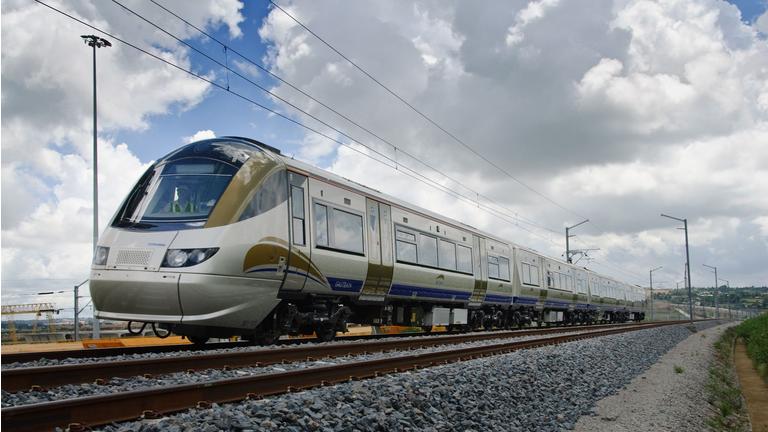
Through Gibela, Alstom and its local partner, Ubumbano Opco is supporting the Passenger Rail Agency of South Africa’s (PRASA) fleet-renewal programme, which involves the production of 600 X’Trapolis Mega commuter trainsets. By August 2026, the programme had reached the milestone of 350 trainsets. The programme includes a minimum local-content commitment of 65%, creating demand for locally manufactured components, materials and services.
In freight rail, Alstom has delivered 250 locally produced Traxx 23E electric locomotive.. More than 60% of each locomotive is manufactured locally, including car-body shells, propulsion systems and traction motors.
These programmes demonstrate how major transport projects can support industrial development when manufacturing activities are established within the country. Instead of relying solely on imported finished products, South Africa develops the capacity to manufacture, maintain and support increasingly sophisticated rail equipment locally.
Developing South African suppliers
A significant part of Alstom’s contribution lies in the supply chain supporting its manufacturing activities.
For FY2024/25, the company reported spending more than R5.56 billion with 678 suppliers. This expenditure creates business opportunities for local manufacturers and service providers while helping establish a network of suppliers capable of supporting complex industrial operations.
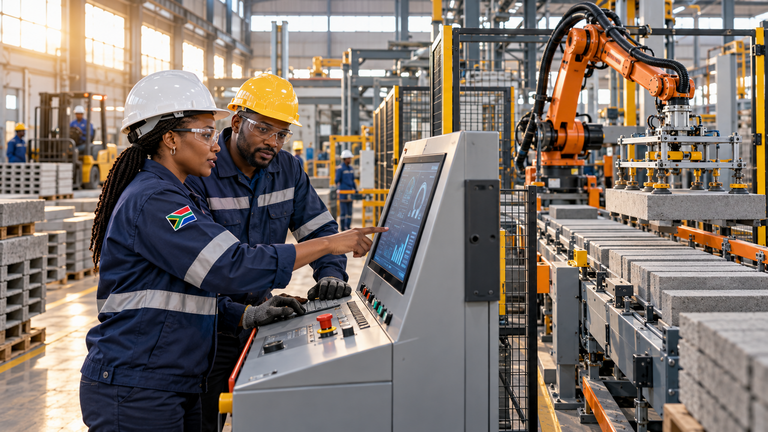
Alstom’s localisation approach also extends to the development of manufacturing capabilities. At its approximately 80,000-square-metre industrial facility in Nigel, Alstom Ubunye manufactures and refurbishes rail components, including bogies, end-underframes and electrical systems.
The company’s application also describes the development of components with local industrial partners, including train ceilings and cabin structures. These activities allow South African businesses to participate in production processes that require specialised technical knowledge, quality standards and reliable delivery.
Supplier development is important because the benefits of industrial investment can extend well beyond the main manufacturing facility. Local sourcing creates demand for components and services, supports business activity and can help suppliers build capabilities that are relevant to other industrial projects and markets.
For South Africa, developing this supplier base is an important step towards retaining more economic value locally and strengthening the resilience of the rail industry.
Transferring technology and technical expertise
Local manufacturing requires more than factories and equipment. It also depends on access to technical knowledge, production processes and specialised skills.
Alstom’s operations draw on expertise from its international manufacturing network to develop these capabilities in South Africa. The company reports transferring traction-motor production technology from its centre of excellence in Ornans, France, to Gibela. Manufacturing knowledge for bogies and end-underframes has also been transferred from France to Alstom Ubunye.
Other transfers have included train manufacturing expertise from Brazil and electric locomotive production knowledge from Germany. These initiatives are supported by employee training, international assignments, on-the-job learning, coaching and mentoring.
Employment and the wider economic contribution
Alstom’s industrial footprint also supports employment across manufacturing, maintenance, engineering and its supplier network.
For FY2024/25, the company reported 2,395 direct full-time jobs and 6,981 indirect and induced employment opportunities. It also reported that 99% of its workforce comprised local hires.
These figures illustrate how the impact of industrial investment extends beyond employees working directly for the company. Manufacturing programmes generate demand for suppliers and service providers, while maintenance and operational activities require specialised technical personnel over the life of rail assets.
Building capacity for future growth
The long-term significance of Alstom’s approach lies in the potential to use South Africa’s industrial base for further production and market development.
The company identifies opportunities to expand manufacturing capacity, grow its services portfolio and increase its involvement in regional rail markets. Its application also notes that an ALP45 bogie project was successfully secured in 2025 and is in production, while the company is pursuing further opportunities linked to export markets.
Why Alstom won the Industrialisation & Local Value Creation Award
Alstom’s achievement is not limited to the delivery of trains or locomotives. Its contribution lies in the industrial ecosystem supporting them: manufacturing facilities, local suppliers, technical expertise and a workforce equipped to produce and maintain sophisticated rail technology.
For the wider business community, Alstom’s example highlights the role that long-term industrial investment can play in building local value chains. By connecting international engineering expertise with South African manufacturing, suppliers and skills, the company is helping strengthen the foundations of the country’s rail industry.
Its recognition at the 2026 Team France Business Excellence Awards reflects this contribution to industrial development and the creation of productive capacity designed to support South Africa’s future growth.