Members
Member News | Engineering Priorities Across South Africa’s Energy, Rail and Automotive Sectors
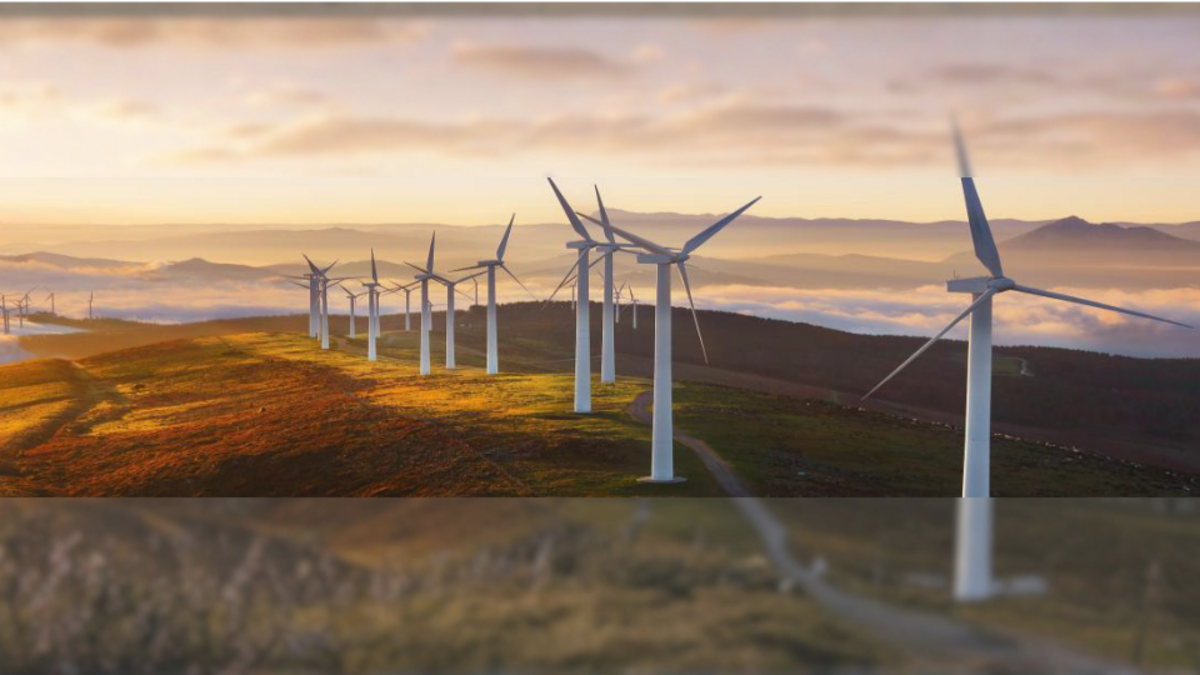
South Africa’s energy, rail and automotive sectors are undergoing significant investment and technological change. New generation capacity, increased freight activity and the transition towards electrified vehicles are creating opportunities, while also increasing the demands placed on infrastructure, engineering systems and technical skills.
For businesses operating in these sectors, the challenge is not simply to add capacity or introduce new technologies. Projects must integrate with existing infrastructure, meet technical and safety requirements and remain commercially viable.
Energy: The Grid Is Decisive
The 2026 Energy Infrastructure Investment Prospectus identifies a R2.23 trillion investment requirement and 105 GW of new capacity by 2039. These figures represent pipeline and capacity ambitions rather than fully committed expenditure. For generation projects, the availability, location and timing of a grid connection can be decisive.
New transmission lines are only part of the solution. Network planning must consider load flow, fault levels and stability, while projects may also require substations, protection and control systems, storage integration and connection studies.
As inverter-based generation grows, grid-code compliance and system behaviour during disturbances will become increasingly important to maintaining reliable network operation.
Rail: Access, Signalling and Safety
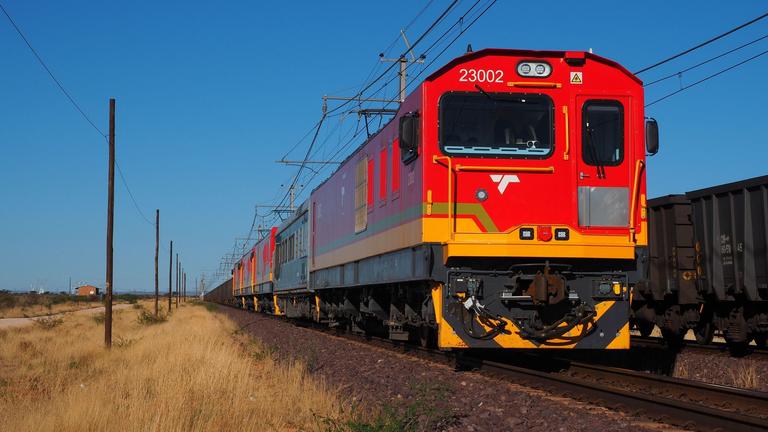
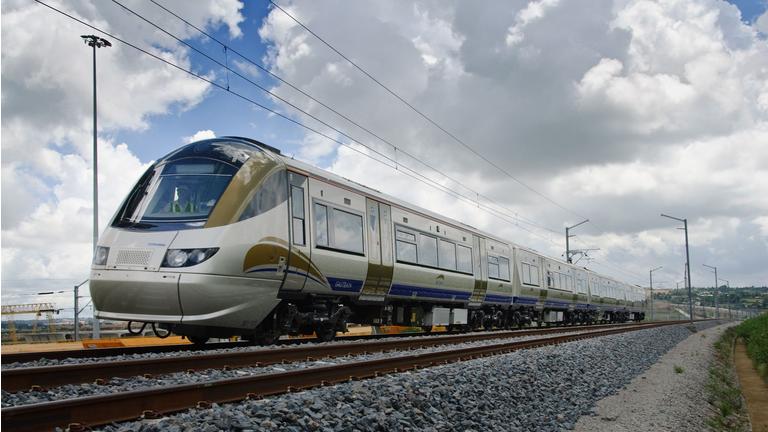
Transnet reports access agreements with 11 Train Operating Companies, associated with a planned 24 million tonnes of additional annual freight capacity. Freight volumes reached 167.9 million tonnes in 2025/26, an increase of 4.9%.
Supporting this growth requires more than additional access. Operators need serviceable fleets and maintenance capacity, while reliable interfaces between operators and the infrastructure manager are essential.
Signalling and train-control readiness will also be critical. Asset assessment, trackside and on-board integration, validated modifications and procedures for degraded operations all contribute to safe and reliable rail operations. RAMS engineering and testing can help establish that trains, signalling systems and infrastructure operate safely as an integrated system.
Automotive: Preparing for New Powertrains
South Africa’s vehicle and component exports reached R291 billion in 2025, according to Naamsa. Maintaining this industrial base while preparing for new powertrain technologies requires manufacturers to adapt production processes without compromising existing programmes.
Ford’s Ranger plug-in hybrid at Silverton and BMW’s X3 plug-in hybrid at Rosslyn demonstrate the ability of local plants to support electrified export programmes. New programmes also require changes to assembly processes, testing and workforce skills, while competitiveness continues to depend on material costs, quality and reliable delivery.
Engineering support can assist with product validation, production-line adaptation and programme launches, as well as addressing capacity, quality and material-cost constraints.
Electric Trucks and Buses
The transition to electric commercial vehicles creates additional requirements across transport and energy infrastructure. DSV added six Volvo electric trucks in January 2026, while Cape Town’s 38 MyCiTi electric buses are scheduled for delivery from late 2026 to March 2027, with local bodybuilding and assembly.
Fleet electrification requires consideration of route energy demand, charging capacity, depot layouts and high-voltage maintenance. As adoption increases, coordination between vehicle manufacturers, operators, infrastructure providers and energy systems will become increasingly important.
Across these sectors, engineering capability will be central to translating investment and technological change into reliable operational capacity and long-term industrial competitiveness.
Disclaimer: This article is an external contribution and was not produced by the French South African Chamber of Commerce and Industry (FSACCI). The views, opinions, and statements expressed are solely those of the author(s) and do not necessarily represent the views or positions of FSACCI.
Segula is a member of FSACCI.