Members
Member News | Strengthening the Economics of Sustainability at the 5th Sustainability & ESG Africa Conference
Sustainability is increasingly recognised as a strategic business priority, influencing how companies manage risks, attract investment, improve operational efficiency and create long-term value. As economic pressures, environmental challenges and stakeholder expectations evolve, businesses are looking beyond regulatory compliance to integrate sustainability into their core strategies.
In a business context, sustainability refers to an organisation's ability to operate and grow responsibly while managing its environmental, social and economic impacts. Closely linked to this is Environmental, Social and Governance (ESG), a framework used to assess how businesses manage environmental risks, social responsibilities and corporate governance practices.
While sustainability focuses on long-term value creation, ESG provides a structured approach to evaluating performance and accountability. Together, they help businesses identify risks, strengthen resilience and respond to changing market and investment expectations.
Why Sustainability and ESG Matter for Business
The economic case for sustainability extends beyond environmental responsibility. Businesses that integrate ESG considerations into their operations can benefit from improved resource efficiency, stronger risk management, greater investor confidence and enhanced competitiveness.
For companies operating in Africa, these considerations are particularly relevant. Climate-related risks, water scarcity, energy security, evolving regulations and changing international supply chain requirements present both challenges and opportunities.
Sustainable business practices can help organisations reduce operational costs, strengthen supply chains, access new markets and develop innovative products and services. However, translating sustainability commitments into measurable business outcomes remains a challenge, requiring companies to demonstrate how their strategies contribute to financial performance and long-term resilience.
Moving Beyond Compliance: The Economics of Sustainability
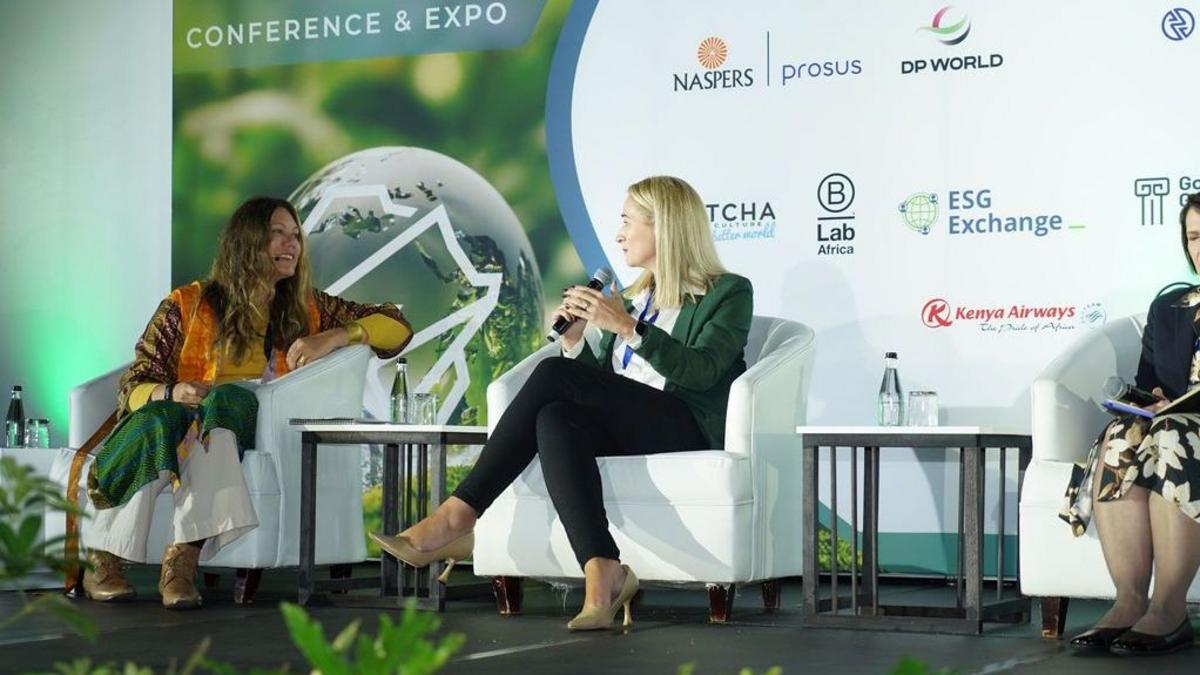
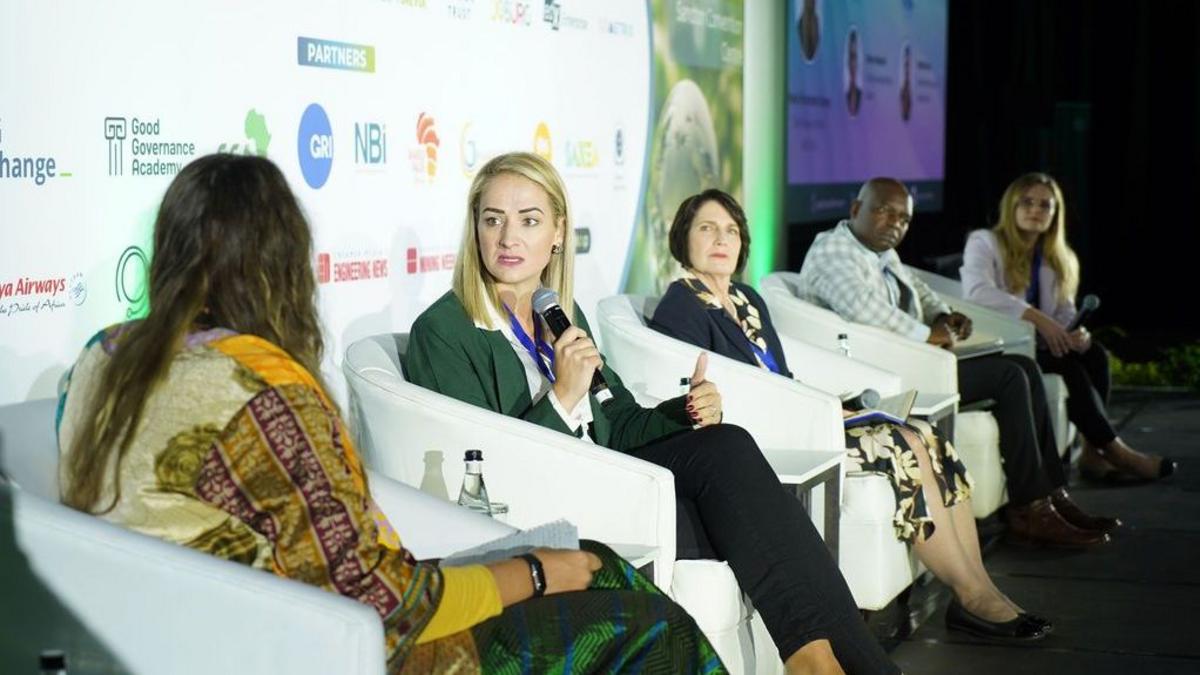
These challenges formed the basis of discussions at the 5th Sustainability & ESG Africa Conference & Expo, held from 30 September to 1 October 2026 at the Sandton Convention Centre in Johannesburg.
Under the theme “A World of Change: Strengthening the Economics of Sustainability,” the conference brought together more than 500 delegates, including business leaders, policymakers, investors and sustainability professionals from across Africa.
Discussions explored how sustainability can move beyond reporting obligations to become a driver of economic value, innovation and competitiveness.
Key themes included sustainable finance, climate adaptation, biodiversity protection, green industrialisation, circular economy models and responsible supply chains. The conference also examined practical sustainability pathways across sectors such as energy, mining, manufacturing and finance, emphasising the importance of collaboration in addressing Africa's sustainability challenges.
Nature-Based Solutions as a Business Opportunity
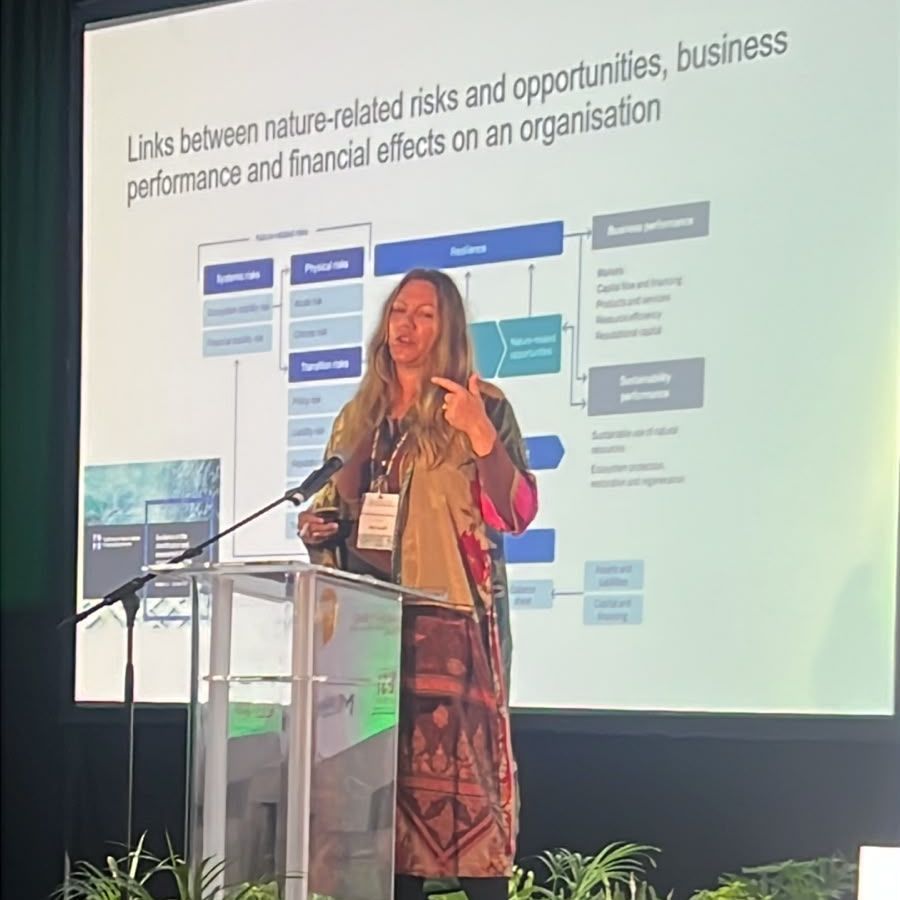
Marie Parramon Gurney, CEO of Skultcha and member of the FSACCI Senior Council, is a co-founder and partner of the conference. She also served as one of the Masters of Ceremonies, facilitating several discussions and a masterclass entitled “Nature-Based Solutions: A Competitive Advantage & Resilience Tool.”
Nature-based solutions involve protecting, restoring or sustainably managing ecosystems to address environmental and societal challenges. For businesses, these approaches can offer practical benefits, including improved water security, reduced exposure to climate-related risks and greater operational resilience.
Their growing relevance demonstrates how environmental considerations can be integrated into business decision-making, creating opportunities to manage risks while supporting sustainable economic development.
Sustainability as a Driver of Africa's Economic Future
The conference reinforced the importance of approaching sustainability not simply as a reporting requirement, but as an integral part of business strategy.
For African businesses, the opportunity lies in translating sustainability ambitions into practical actions that improve efficiency, strengthen competitiveness, attract investment and support inclusive growth.
Strengthening the economics of sustainability ultimately means recognising that responsible business practices and long-term economic performance are interconnected.
For more information and event highlights, visit the Sustainability & ESG Africa Conference website or explore photos and updates on LinkedIn.
Disclaimer: This article is an external contribution and was not produced by the French South African Chamber of Commerce and Industry (FSACCI). The views, opinions, and statements expressed are solely those of the author(s) and do not necessarily represent the views or positions of FSACCI.
Skultcha is a member of FSACCI.