Members
Member News | Takatseau Advances Sustainable Waterbody Remediation Through Biological Treatment
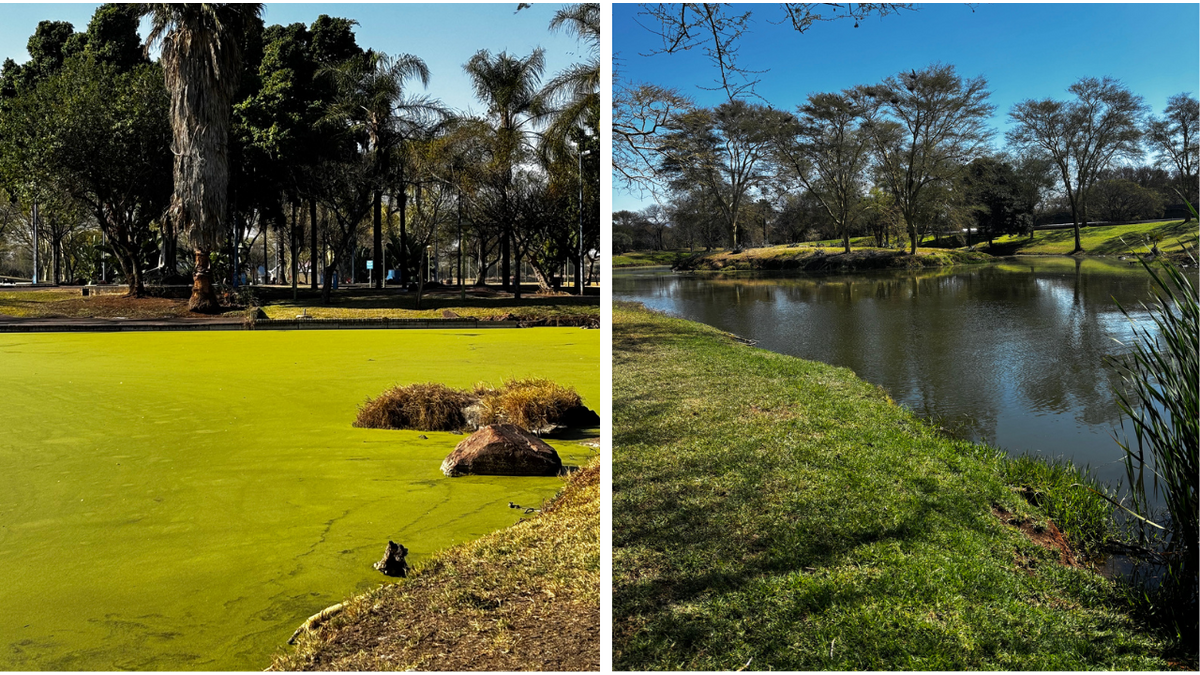
Takatseau has reached an important milestone in its development of sustainable, non-chemical environmental solutions following the successful implementation of a biological remediation programme at a private recreational waterbody system in South Africa.
The project addressed invasive duckweed, its spread and regrowth, and the overall condition of the affected waterbodies. Takatseau implemented a combination of mechanical duckweed removal and biological remediation using enzymes and beneficial bacteria, providing an alternative to conventional chemical treatment.
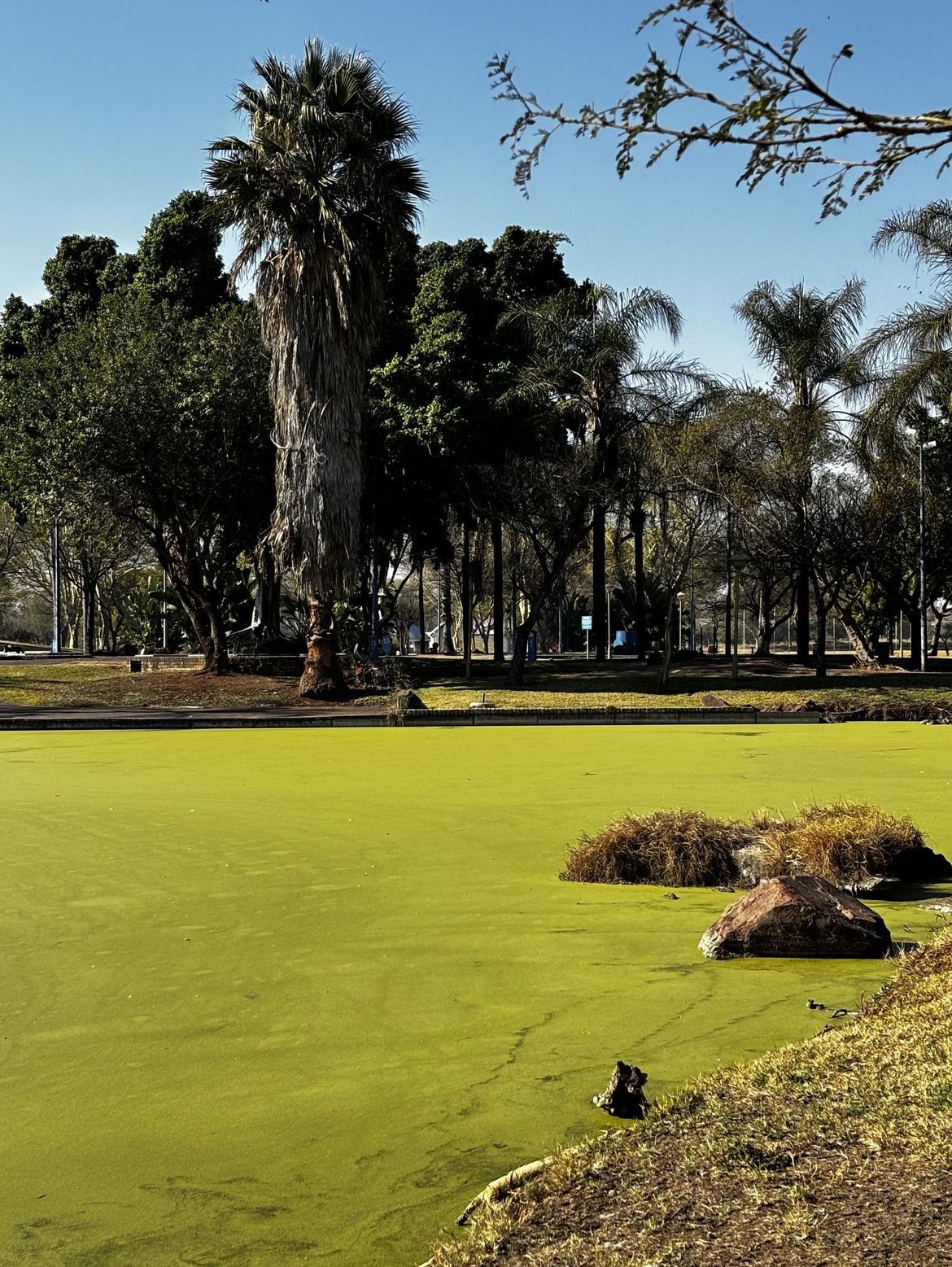
The phased programme incorporated biological treatment, mechanical removal, water-quality monitoring and the development of a longer-term maintenance strategy.
Independent laboratory comparison of baseline and follow-up samples demonstrated significant improvement in microbiological indicators in the most affected waterbody. At the principal monitoring location, E. coli levels reduced from 8,100 colonies/100 ml at baseline to zero at follow-up, while faecal coliform levels reduced from 13,000 to 6 colonies/100 ml. Field observations also recorded increased open-water areas, a significant reduction in duckweed coverage and the elimination of objectionable odours.
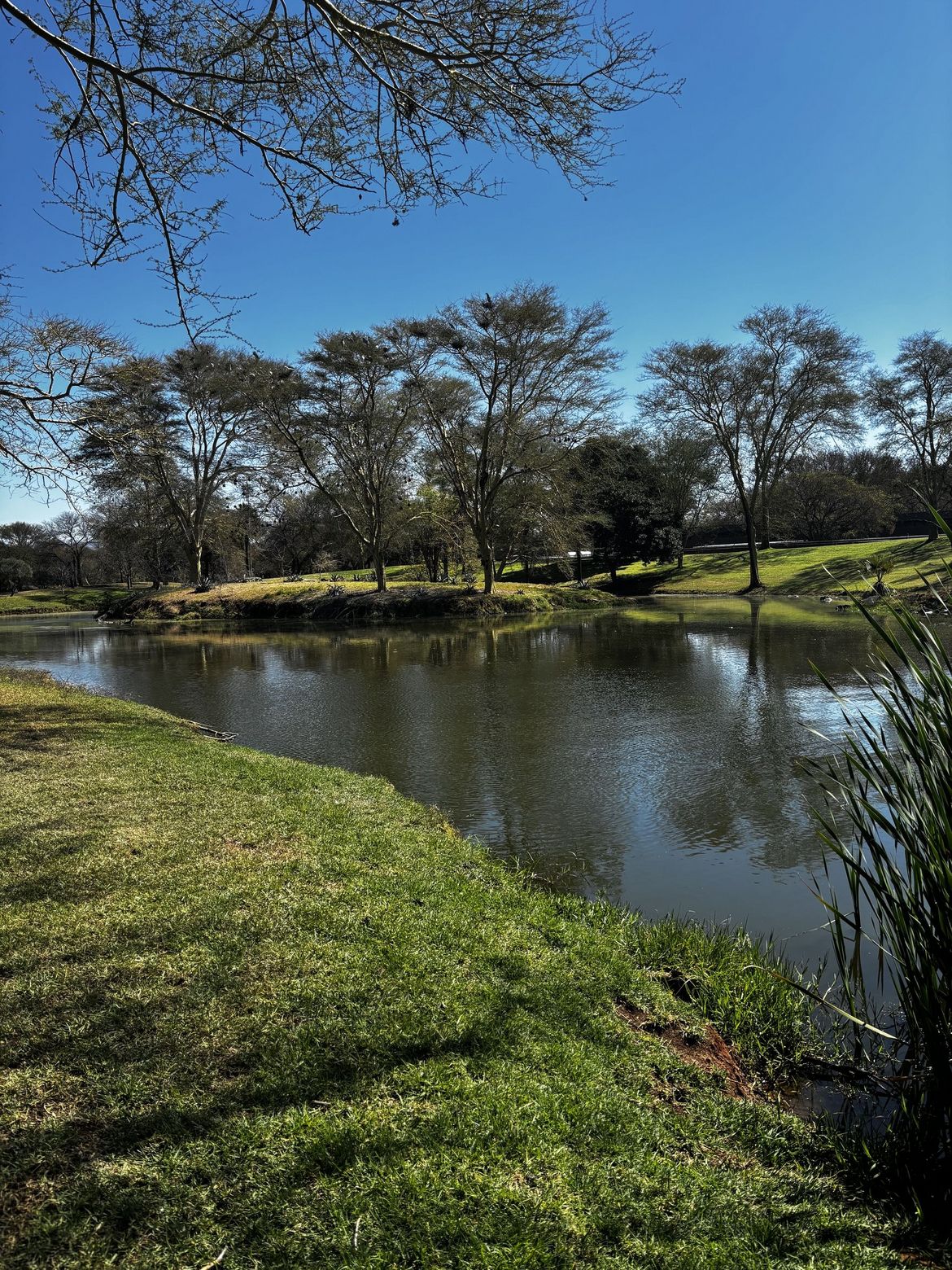
The programme was independently reviewed by the Centre for Ecological Intelligence (CEI) at the University of Johannesburg, which concluded that the intervention demonstrated a measurable positive response and that the project objectives had been substantially achieved, subject to continued monitoring and maintenance.
The project was spearheaded by Brenton Abrahams, who played a critical role in coordinating the implementation and bringing together the project’s technical, operational and sustainability objectives.
As a proud member of FSACCI, Takatseau is pleased to share this achievement with the FSACCI business community. The project strengthens Takatseau’s commitment to practical, non-chemical environmental solutions and to developing innovative approaches that support healthier water systems and a more sustainable future.
Disclaimer:
This article is an external contribution and was not produced by the French South African Chamber of Commerce and Industry (FSACCI). The views, opinions, and statements expressed are solely those of the author(s) and do not necessarily represent the views or positions of FSACCI.