RATP Dev Gauteng | Skills Development & Future Talent Award
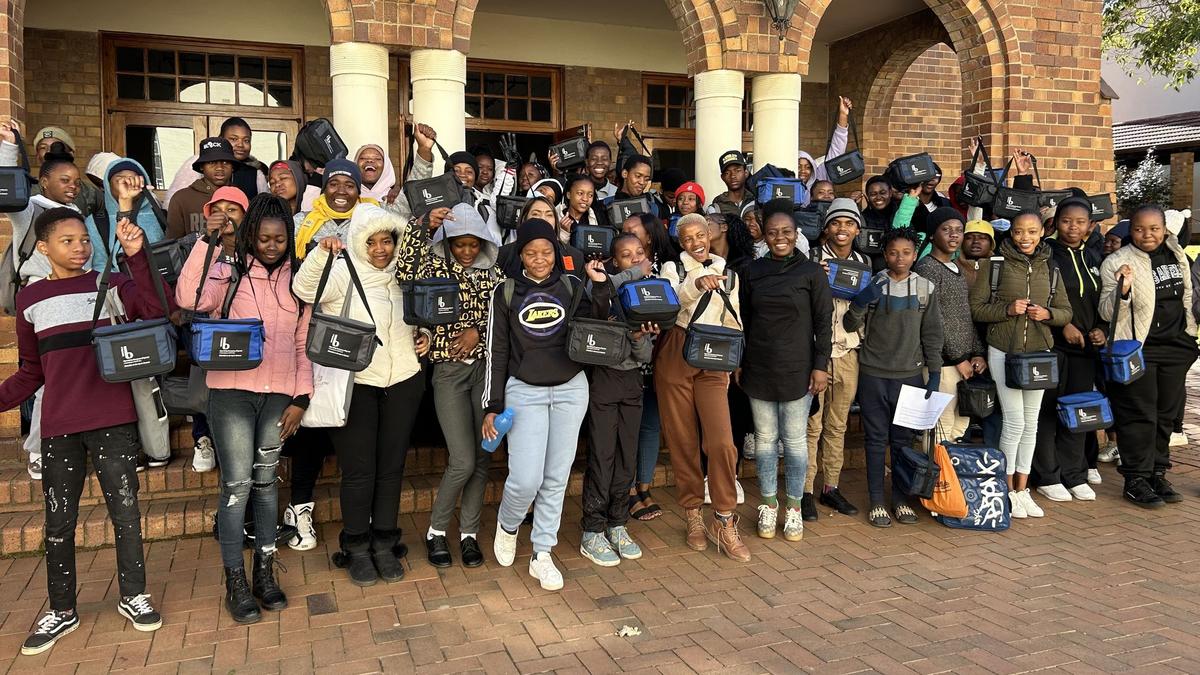
Through its Skills Development and Education Strategy, RATP Dev Gauteng invests in employee qualifications, youth employment and future talent for South Africa’s rail sector.
Winner of the Team France Business Excellence Award 2026 for Skills Development & Future Talent
Developing a skilled workforce across generations is essential to the long-term sustainability of South Africa’s transport sector. In line with is core values, RATP Dev Gauteng acts as a responsible employer and caring company, investing in employee development, youth employment and access to education, creating pathways into the rail industry and strengthening local technical capabilities.
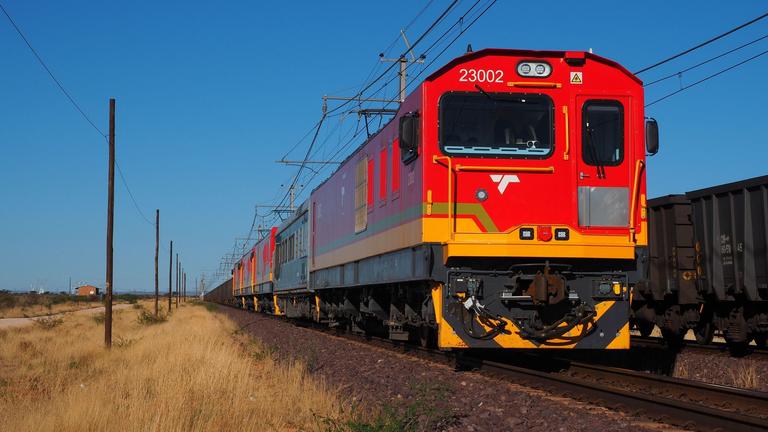
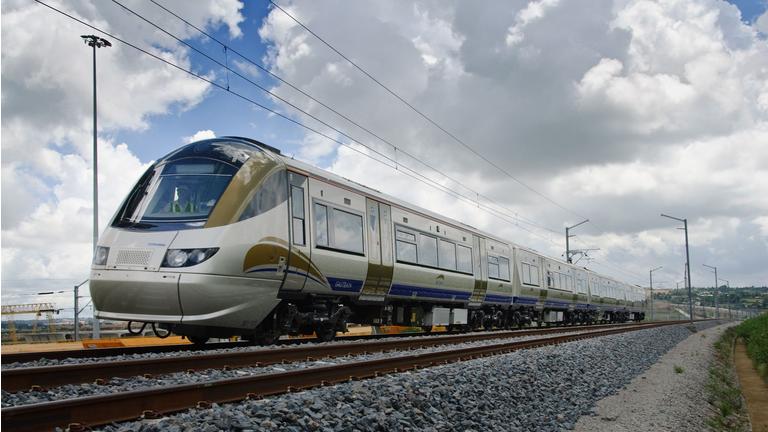
RATP Dev Gauteng operates and maintains the Gautrain Rapid Rail Link and its integrated bus network. Operating along an 80-kilometre rail corridor linking Johannesburg, Tshwane and Ekurhuleni, RATP Dev Gauteng benefits from the global expertise of its French parent group RATP Dev while relying on a talented South African workforce.
This work earned the company the Skills Development & Future Talent Award at the 2026 Team France Business Excellence Awards, recognising its contribution to workforce development and long-term career opportunities.
Investing in qualifications and leadership
Between 2022 and 2026, Bombela Operating Company (BOC), the former South African subsidiary of RATP Dev built on its strong people-centric culture and implemented an integrated Skills Development and Education Strategy to address technical skills shortages, strengthen leadership capacity and support career progression. This initiative was supported with enthusiasm by a committed leadership team as well as all departments across the organisation.
A central part of the strategy has been access to higher education. The company funded 69 employees to pursue accredited qualifications, many of whom had not previously had access to tertiary education. It also awarded 21 bursaries to students from low-income households in Gauteng and to employees’ children, helping them work towards their first tertiary qualifications.
BOC also introduced Generic Management Learnerships at National Qualifications Framework (NQF) Levels 3 and 4. These programmes develop supervisory and management capabilities, including leadership, communication and operational planning ,involving as many departments internally.
According to the nomination, 60 employees completed the management learnership pathway, achieving a 96.7% completion rate. The results support the development of an internal leadership pipeline and help the business build the management capabilities required to sustain safe and reliable transport operations.
Creating pathways into rail careers
Supporting young graduates and early career professionals is another focus of RATP Dev Gauteng’s strategy. Through its train-to-employ approach, the company recruited 45 young South Africans into structured learning pathways for roles in the rail industry between 2022 and 2026.
By bringing young people into the business, RATP Dev Gauteng is connecting workforce development with operational needs while creating opportunities for people entering the labour market, preparing a bright future for its public transport industry.
The company reported a stable workforce of 494 employees, including 124 youth employees. It also recorded 43 appointments in safety-critical and safety-related roles during the period covered by the nomination. RATP Dev Gauteng states that its structured training framework supports technical competence and safety awareness across these positions.
The focus on career progression extends beyond recruitment. Between 2024 and 2026, 43 employees were promoted to higher-level roles. Women accounted for 55.8% of these promotions, representing 24 advancements. Women also accounted for 60.47% of the 43 safety-critical and safety-related appointments recorded during the same period.
These figures show how workforce development can support both operational requirements and greater representation in a traditionally male-dominated industry.
Extending education and mentorship into communities
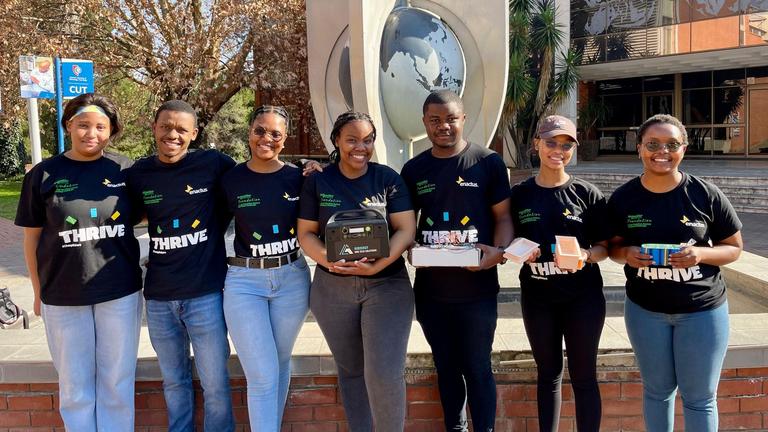
Within a broader Corporate Social Investment strategy, RATP Dev Gauteng’s investment in future talent also reaches beyond its own workforce to support its local community. Through the Sizanani Mentorship Programme, established in 2007 with support from the RATP Group Foundation, high school learners and graduates from Alexandra township receive guidance from volunteer mentors.
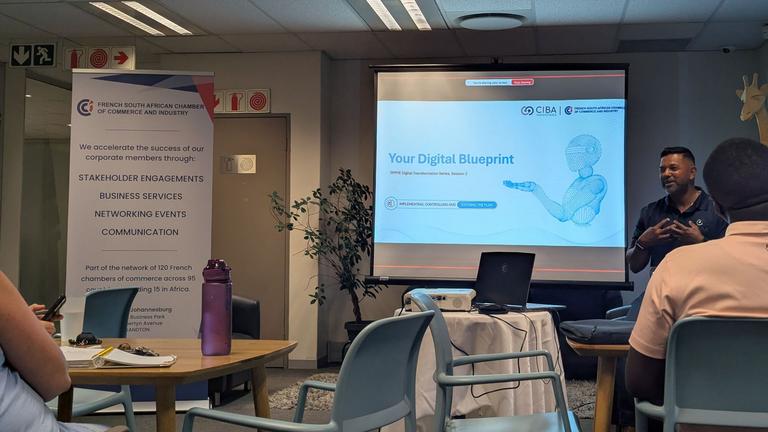
The programme draws on South African professionals, RATP Dev Gauteng employees and French expatriates to provide academic guidance, life coaching and career counselling. In partnership with FSACCI, it also offers mock interview workshops that help participants prepare for the workplace through CV writing, professional conduct and digital literacy.
The nomination reports that more than 900 matriculants have received career guidance through Sizanani. Of these, more than 600 have pursued further studies and more than 200 have secured employment. These outcomes illustrate the role that mentorship can play in helping young people navigate the transition from school to further education or work.
RATP Dev Gauteng also supports the Ikusasa Lethu Saturday School Programme, which currently assists 320 learners. In addition, the company supported the development of new classrooms at Lanto Montessori International School, helping the school accommodate its first matric cohort in 2026.
Together with the 21 bursaries awarded to students from low-income households, these initiatives address barriers to education and broaden access to opportunities for young people in Gauteng.
Connecting French expertise with South African talent
As part of France’s RATP Dev and the wider RATP Group, RATP Dev Gauteng brings international public transport experience to South Africa. Aligning its upskilling strategy to real-life impact demonstrates how that expertise can concretely contribute to local workforce development.
The company’s partnership with the Transport Education Training Authority (TETA) helps align its skills initiatives with national transport-sector priorities. Its work with FSACCI through Sizanani also connects business expertise with graduate work-readiness support.
By integrating employee qualifications, leadership learnerships, youth recruitment, bursaries and mentorship into a broader development strategy, RATP Dev Gauteng links immediate operational needs with long-term talent planning. The approach supports succession planning within the company while helping prepare future employees for the technical and operational demands of the rail sector.
Why RATP Dev Gauteng won the award
The Skills Development & Future Talent Award recognises organisations that make a measurable contribution to South Africa’s future workforce through education, training, youth employment and career development.
RATP Dev Gauteng’s nomination presented evidence across these areas: 69 employees funded for accredited higher education, 60 employees completing management learnerships with a 96.7% completion rate, 21 bursaries awarded, and 45 young people recruited through structured pathways into rail careers. The company also reported employee promotions, appointments into safety-critical roles and community programmes reaching hundreds of learners.
The combination of workplace development and community education distinguishes the approach. It connects the skills required to operate a complex public transport system with opportunities for employees and young people to gain qualifications, enter employment and progress in their careers.
As the winner of the 2026 Skills Development & Future Talent Award, RATP Dev Gauteng demonstrates how sustained investment in people can strengthen South Africa’s rail capabilities, widen access to education and help develop the next generation of transport professionals.