Members
Air Liquide, Wits University & LSF launch ZAR100m initiative to empower South Africa’s Hydrogen research and localisation
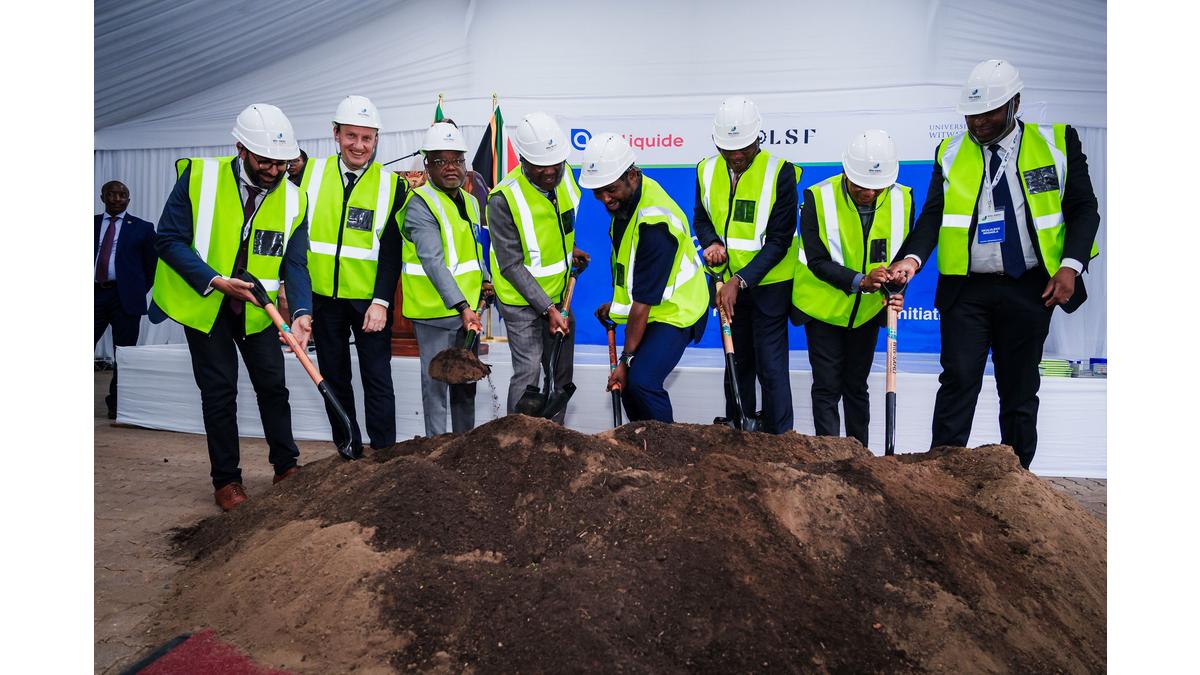
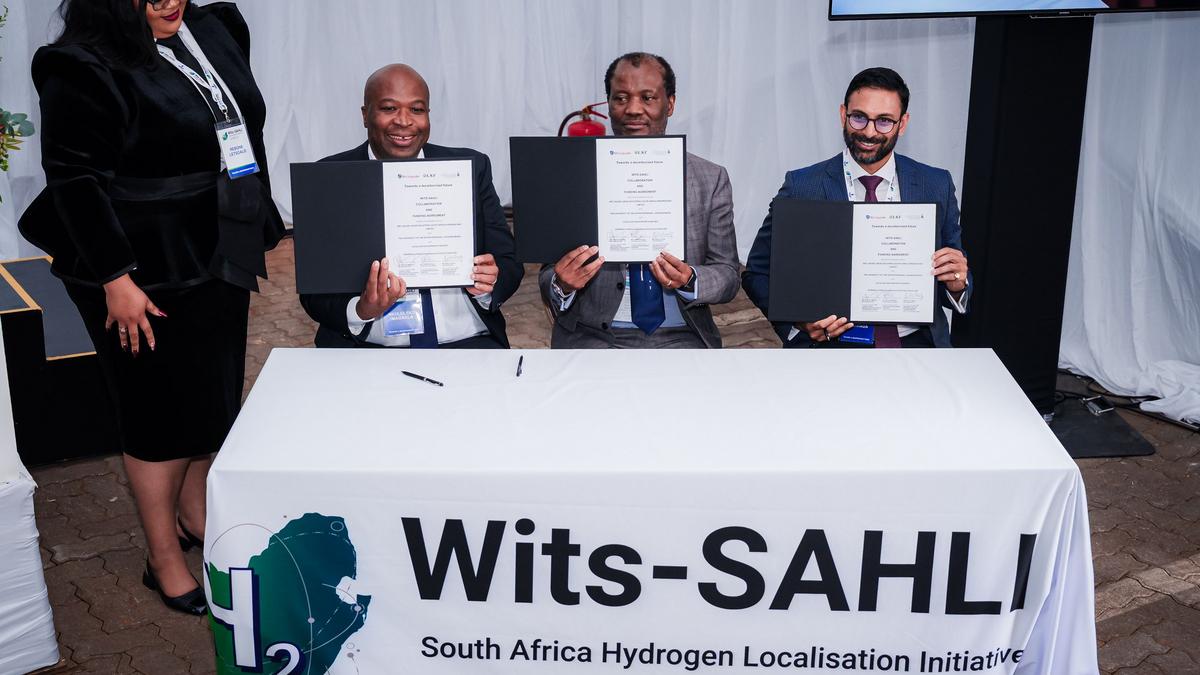
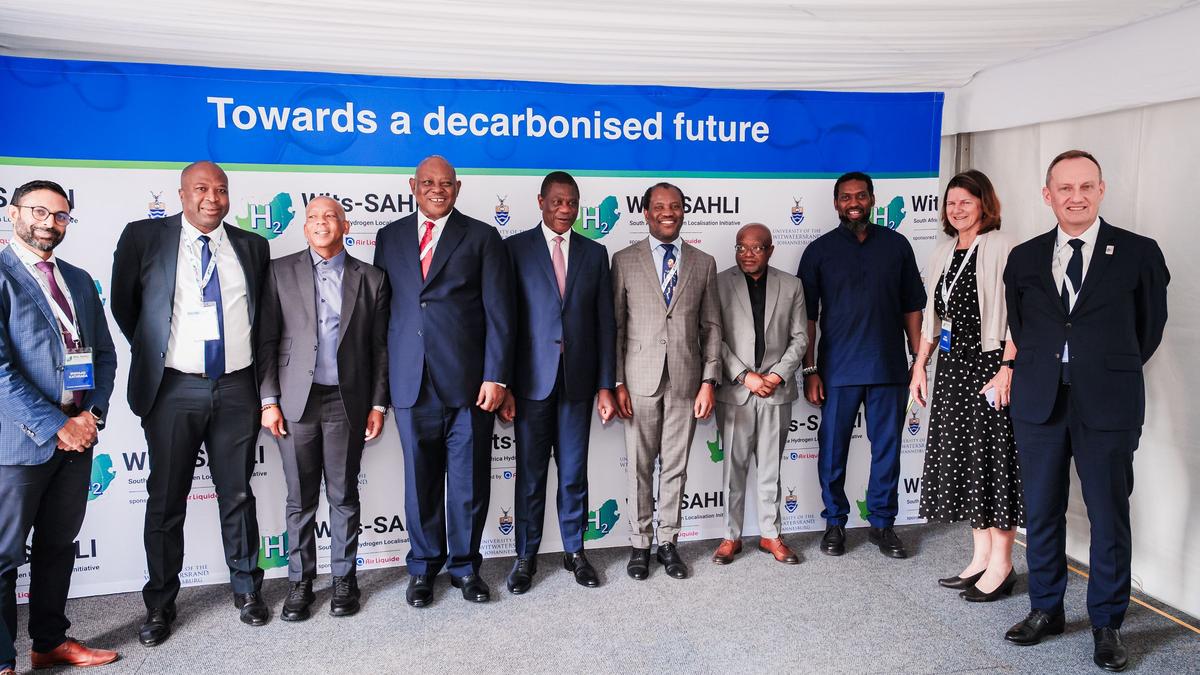
Air Liquide South Africa, the University of the Witwatersrand (Wits University) and the Localisation Support Fund (LSF) today announced the offi cial launch of the Wits – South Africa Hydrogen Localisation Initiative (Wits-SAHLI). This ZAR100 million initiative, funded by Air Liquide, is dedicated to building the research capacity and local expertise required to contribute to South Africa’s just energy transition towards a low-carbon hydrogen economy.
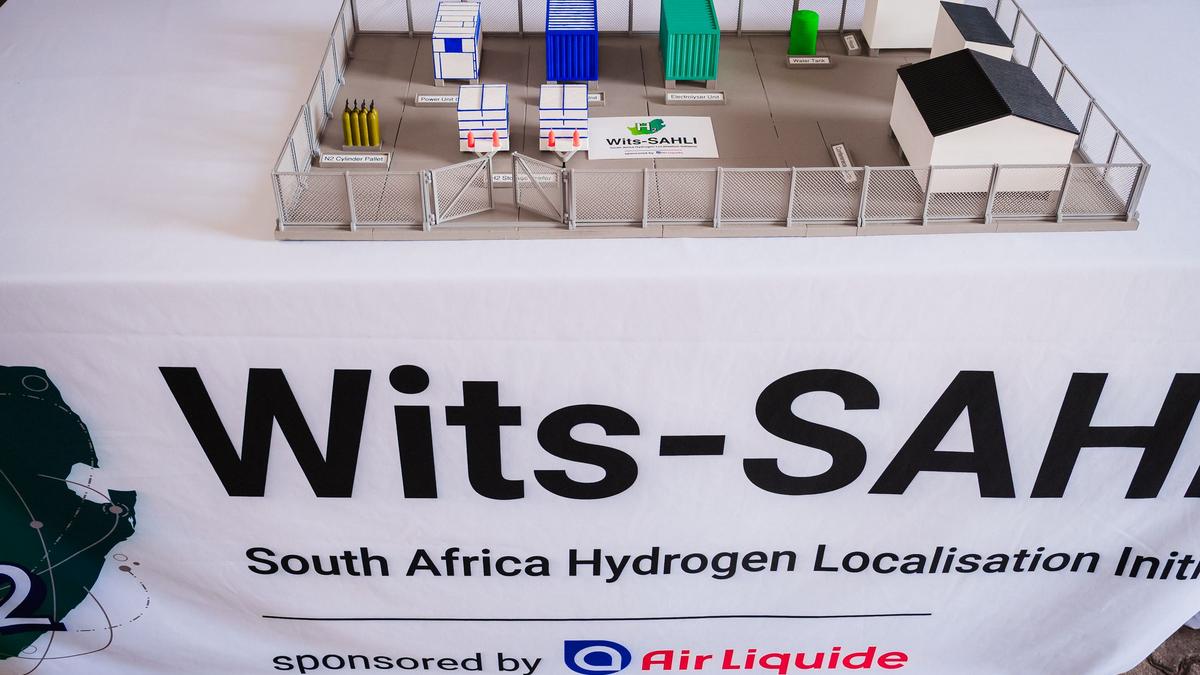
Wits-SAHLI will establish a modular pilot hydrogen plant on Wits University’s West Campus. More than a research site, this "living laboratory" is designed to support applied research and teaching, on-campus testing of hydrogen applications and provide a de-risked entry point for industry partners to explore hydrogen solutions.
The facility utilizes a 110kW electrolyser to convert water and renewable electricity into low-carbon hydrogen. With a storage capacity of 200kg, the plant can later reconvert this stored hydrogen into clean power, delivering a total electrical output of up to 200kW during peak operation. This project is a direct response to the national call for re-industrialisation and serves as a platform for collaboration beyond the university, supporting South Africa’s broader hydrogen ambitions.
Wits-SAHLI is scheduled to be operational by 2028 and forms part of Air Liquide’s multi-year investment programme supporting the decarbonisation of South Africa.
Professor Zeblon Vilakazi, Vice Chancellor and Principal of Wits University said: “We are proud to be at the forefront of driving innovation that addresses the critical challenges of our time. Wits-SAHLI aligns perfectly with our mission to advance the frontiers of knowledge, produce world-class research and nurture talent that will build new industries and lead in the global green economy, for good.”
Nicolas Poirot, CEO of Air Liquide for Africa, Middle East and India stated: “We are excited to be investing in this project, which is truly part of a knowledge transfer approach. By bringing Air Liquide’s 60 years of global hydrogen expertise to Wits-SAHLI, we are providing South Africa with the technical expertise needed to lead the continent's energy transition.”
Nkululeko Magadla, CEO of Air Liquide South Africa, added: “Our goal is to ensure that as the hydrogen economy grows, South Africa is equipped with a homegrown workforce and a competitive network of local suppliers. Wits-SAHLI is a tangible demonstration of our commitment to the decarbonisation of South Africa and the empowerment of a local ecosystem. It also represents a key milestone in fulfilling our public interest commitments following the 2021 acquisition of Sasol’s Air Separation Units.”
Irshaad Kathrada, CEO at LSF concluded: "Wits-SAHLI is a model public-private partnership that will build a competitive local supply chain for the low-carbon hydrogen sector from the ground up. By focusing on empowering South African companies, we are ensuring that the benefits of the energy transition are shared broadly, fostering inclusive growth and industrial capacity.”
About Air Liquide
Air Liquide is a world leader in gases, technologies and services for industry and healthcare. Present in 60 countries with approximately 66,500 employees, the Group serves more than 4 million customers and patients. Oxygen, nitrogen and hydrogen are essential small molecules for life, matter and energy. They embody Air Liquide’s scientific territory and have been at the core of the Group’s activities since its creation in 1902.
Taking action today while preparing the future is at the heart of Air Liquide’s strategy. With ADVANCE, its strategic plan, Air Liquide is targeting a global performance, combining financial and extra-financial dimensions. Positioned on new markets, the Group benefits from major assets such as its business model combining resilience and strength, its ability to innovate and its technological expertise. The Group develops solutions contributing to climate and the energy transition — particularly with hydrogen — and takes action to progress in areas of healthcare, electronics and high technologies.
Air Liquide’s revenue amounted to more than 27 billion euros in 2024. Air Liquide is listed on the Euronext Paris stock exchange (compartment A) and belongs to the CAC 40, CAC 40 ESG, EURO STOXX 50, FTSE4Good and DJSI Europe indexes.
Follow us | www.airliquide.com | LinkedIn
About Wits University
The University of the Witwatersrand (aka Wits University) is a leading university in Johannesburg, South Africa. Wits is renowned for its academic and research excellence, innovation, commitment to social justice, and the advancement of the public good, for over 100 years. It is one of the leading institutions on the African continent that produces world-class research that is locally relevant and globally competitive.
Wits is committed to solving global challenges (including climate change) from its vantage point in the global south. Our impact can be seen in fields such as engineering, global change, business, governance and the health sciences, where we are committed to solving global challenges. Wits’ research output has increased by over 45% in the last four years with more than 85% of Wits’ research published in international journals.
Wits offers a free space for the exchange of ideas and a vibrant intellectual community that fosters debate and knowledge transfer both within and beyond its lecture halls.Read more about Wits’ research strengths and the latest Wits research and priority areas.
About LSF
The Localisation Support Fund (LSF) was established in 2021 as a non-profit company (NPC) and public benefit organisation (PBO) to accelerate industrialisation in South Africa by driving strategic localisation. By strengthening local manufacturing capabilities and removing barriers to competitiveness, LSF ensures that South African firms can scale, innovate, and integrate into global markets.
LSF exists to bridge the gap between policy ambition and industry reality, ensuring that localisation is a driver of competitiveness, not inefficiency. By funding targeted research, feasibility studies, and technical expertise, LSF enables investment-ready opportunities and unlocks high-potential industrial pathways.
Disclaimer:
This article is an external contribution and was not produced by the French South African Chamber of Commerce and Industry (FSACCI). The views, opinions, and statements expressed are solely those of the author(s) and do not necessarily represent the views or positions of FSACCI.